
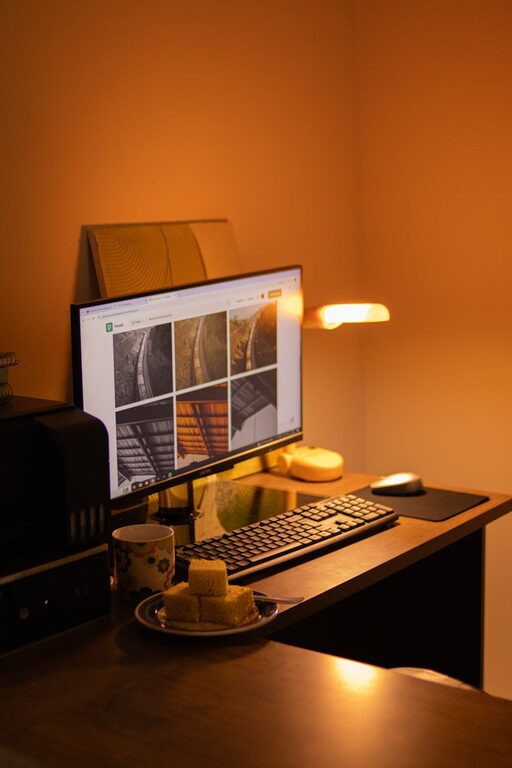
Creating a home office space that is both comfortable and productive can make a big difference in your workday. Whether you’re working remotely full-time or occasionally need a dedicated spot for tasks, having the right environment supports focus and efficiency. Here are some helpful tips to design a home office that fits your needs and keeps you motivated.
Choose a Dedicated Space
Having a specific area just for work helps separate professional tasks from home life. If possible, select a quiet room where you can close the door and minimize distractions. If space is limited, even a small nook or corner of a room can work as long as it is clearly defined for office use.
Invest in Ergonomic Furniture
Comfort is key when you’ll be sitting for long periods. Choose a chair with adjustable height, lumbar support, and good cushioning. Pair it with a desk that fits your working style—whether you need space for multiple monitors, notebooks, or other tools. Consider a sit-stand desk that allows changing positions throughout the day to reduce fatigue.
Optimize Lighting
Good lighting reduces eye strain and keeps you alert. Natural light is ideal, so place your desk near a window if possible. Use blinds or curtains to control glare. Supplement with adjustable desk lamps or overhead lights that provide bright, even illumination without harsh shadows.
Minimize Clutter and Organize
A tidy workspace helps reduce stress and distractions. Use storage solutions like shelves, drawers, or filing cabinets to keep supplies organized and easy to access. Keep only essential items on your desk. Regularly declutter to maintain a clean and inviting environment.
Personalize Your Space
Adding personal touches can make your office more enjoyable and inspiring. Include plants, artwork, or photos that make you feel relaxed and positive. However, don’t overcrowd the area; balance personalization with an uncluttered workspace.
Manage Noise Effectively
Background noise can affect concentration. Use rugs, curtains, or acoustic panels to absorb sound if your space tends to echo. Noise-cancelling headphones are a great option to block distractions. If you prefer some ambient sound, try playing soft instrumental music or white noise.
Establish a Reliable Technology Setup
Ensure your internet connection is fast and stable to avoid interruptions. Use quality hardware such as monitors, keyboards, and mice that suit your workflow. Organize cables neatly using clips or trays to prevent tangling and maintain a neat look.
Maintain a Healthy Routine
Your home office should support good work habits as well. Take regular breaks to stretch and move around. Keep water nearby and make sure the temperature is comfortable. Dressing for work, even casually, can help set the right mindset.
Set Boundaries
Communicate your work hours and space boundaries clearly with family or housemates to minimize interruptions. This distinction helps maintain professionalism and supports productivity, especially if you share your living space.
Final Thoughts
Designing a home office that is comfortable and productive is a blend of good furniture, smart organization, and a pleasant atmosphere. By tailoring your space to your preferences and work style, you can create an environment that makes working from home more enjoyable and effective. Take small steps to improve your setup and you’ll likely notice a positive impact on your focus and motivation.